Repeat prescription management
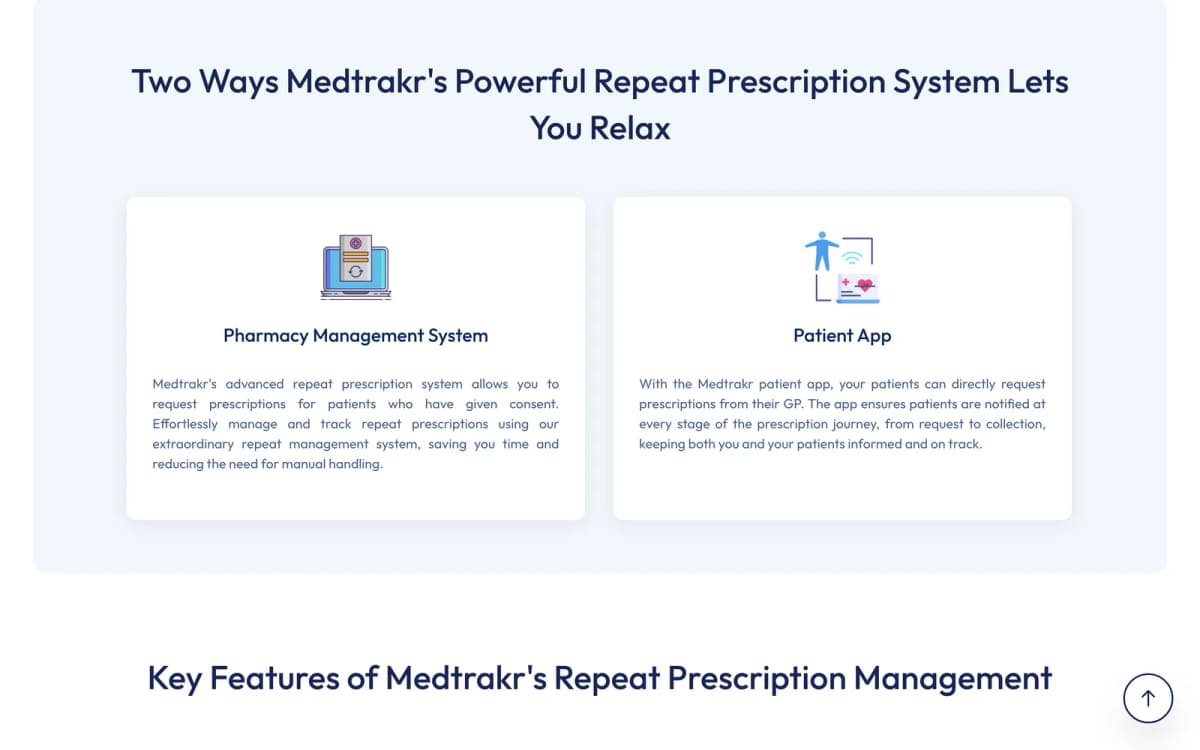
Request, approve and track repeat prescriptions for consenting patients from one list, with repeat cycles set up from a preloaded drug file and automatic reminders.
Medtrakr is pharmacy operations software we built for UK pharmacies: a pharmacy system plus driver, pharmacy and patient apps that cover repeat prescriptions, prescription deliveries, Scan to Shelf collections and consultation booking.
Updated
Overview
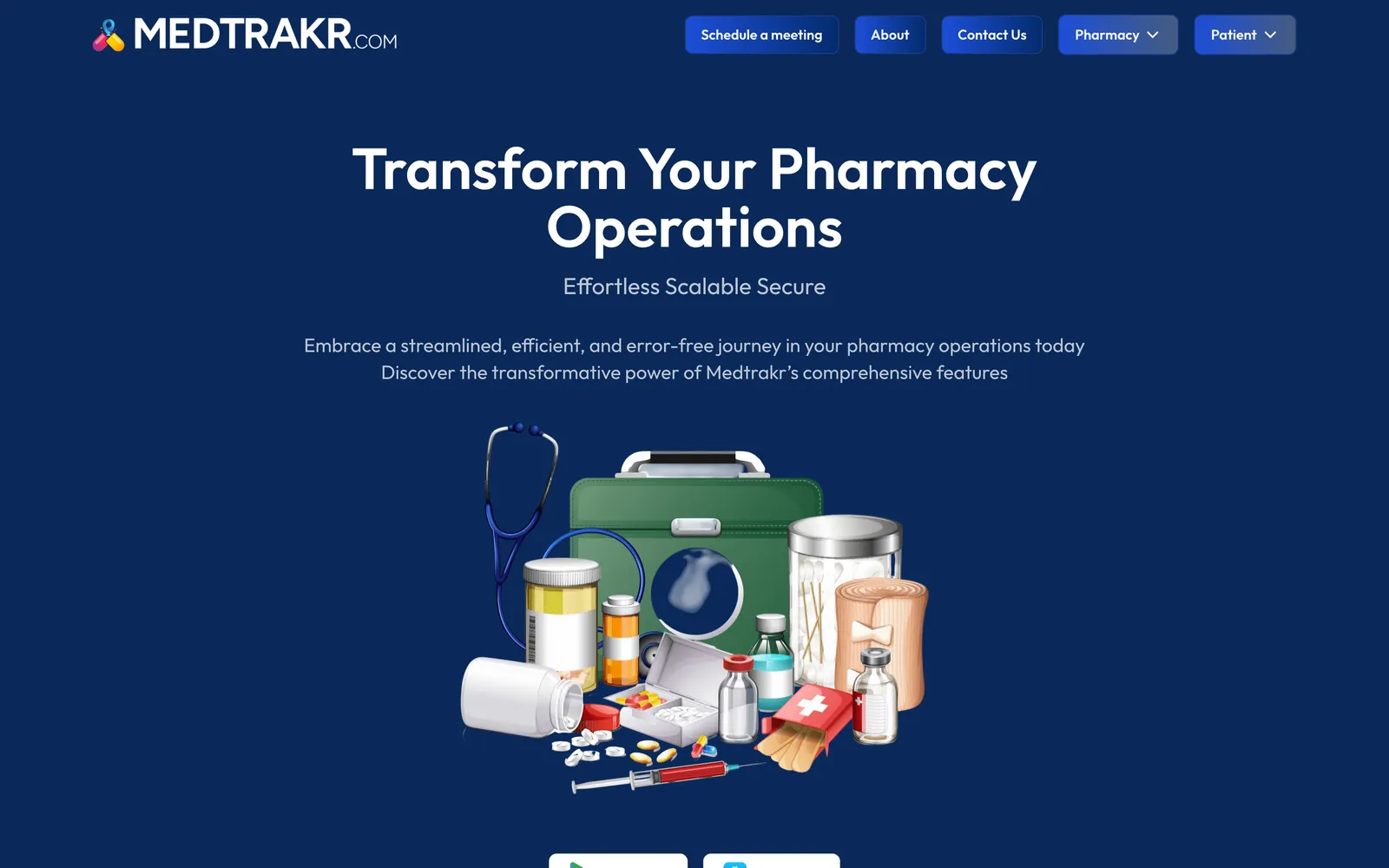
Medtrakr brings the routine work around dispensing into one system. Pharmacy staff manage repeat prescriptions for patients who have given consent, book and track deliveries, shelve and find prescription bags with a barcode scan, and run a consultation diary. Patients get their own app to request repeat prescriptions and follow each stage, and drivers get an app for the delivery round.
We built it with Next.js on the web, React Native for the driver, pharmacy and patient apps, and Node.js, MongoDB and Redis on the server. As the public site describes, patients order repeat prescriptions using their NHS login. Everything on this page is taken from what medtrakr.com shows publicly.
The story in three steps
01 · Where it started
Much of a pharmacy's day goes on work around the medicine rather than the medicine itself: chasing repeat prescriptions, answering 'is it ready yet?' calls, sending drivers out and finding the right bag when a patient arrives at the counter. That work tends to sit across paper lists, phone calls and separate tools.
Medtrakr set out to put it in one place for the three groups involved: the pharmacy team, its drivers and its patients.
02 · What we built
We split the product by who uses it. The pharmacy system runs repeat-prescription cycles from a preloaded drug file, keeps reminder lists, approves and tracks requests, and reports on repeat items. The driver app scans and books deliveries, plans routes, shares live location and captures a photo as proof of delivery with a time and location stamp; the pharmacy app shows delivery and driver status on a phone.
At the counter, Scan to Shelf follows the pharmacy's own shelf numbering, prints shelf codes from the label printer, finds every bag for a patient across shelves with one scan, and logs each collection in an audit trail. Patients are notified when a prescription is ready and reminded if it is not collected. Consultation booking keeps appointment records digital and sends confirmations and reminders by SMS and email.
03 · Where it stands
Medtrakr is live at medtrakr.com, which presents the product to pharmacies module by module and takes demo bookings through a scheduling form.
We have no prescription-volume, delivery or error-rate records to publish, so this page quotes no outcome figures.
Chapter 1
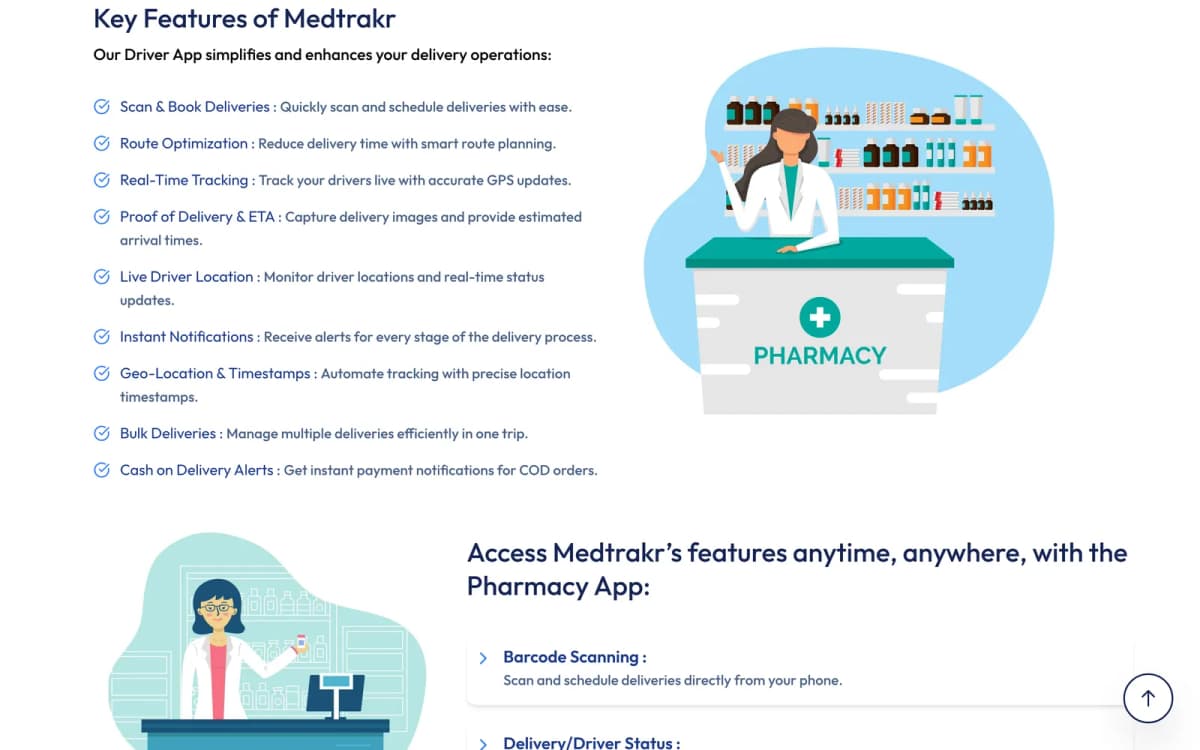
A pharmacy's routine work involves three groups who never sit in the same place: the team behind the counter, the drivers on the road and the patients at home. Giving all three the same screen would make it wrong for each of them, so Medtrakr is split by who uses it, over one shared record.
Because everything writes to one record, a status change in one place is what the others see. When a driver marks a delivery done, the pharmacy sees it; when a prescription is ready, the patient is told. That is what removes the 'is it ready yet?' phone calls the product was built to stop.
Chapter 2
Finding the right bag at the counter sounds simple until a patient's items are split across a fridge, the controlled-drugs cabinet and two shelves. Scan to Shelf treats the shelf itself as data.
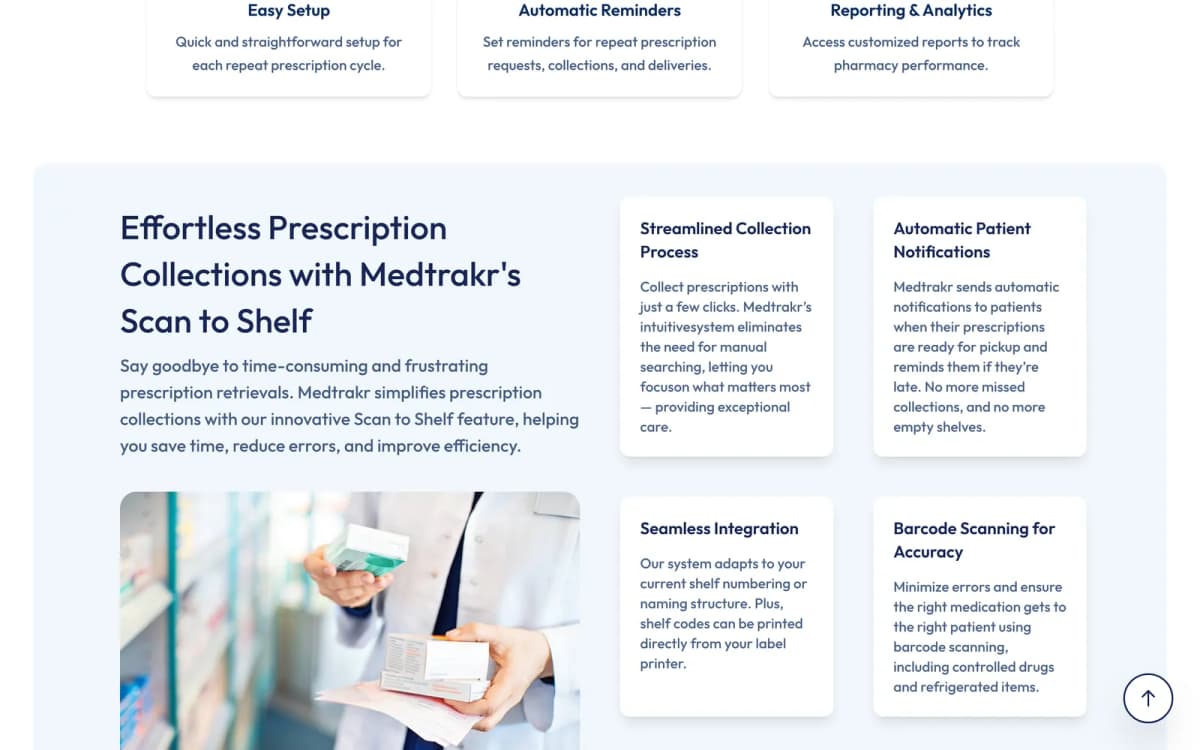
It follows the pharmacy's existing shelf numbering or naming, so nobody has to relabel the dispensary. Shelf codes print straight from the label printer the pharmacy already has.
When a bag goes onto a shelf, it is scanned there. At collection, one scan finds every bag for that patient, however many shelves they are spread across. Barcode scanning covers controlled drugs and refrigerated items as well, so the right medication reaches the right patient.
Each collection is logged in an audit trail: who collected which item, when, and the prescription's status at that moment. Patients get an automatic notice when their prescription is ready and a reminder if it has not been collected, so fewer bags sit on the shelf and fewer patients make a wasted trip.
Chapter 3
Deliveries are where a pharmacy loses the most time without seeing it. The driver app records each round as it happens, and the pharmacy system turns those records into reports.
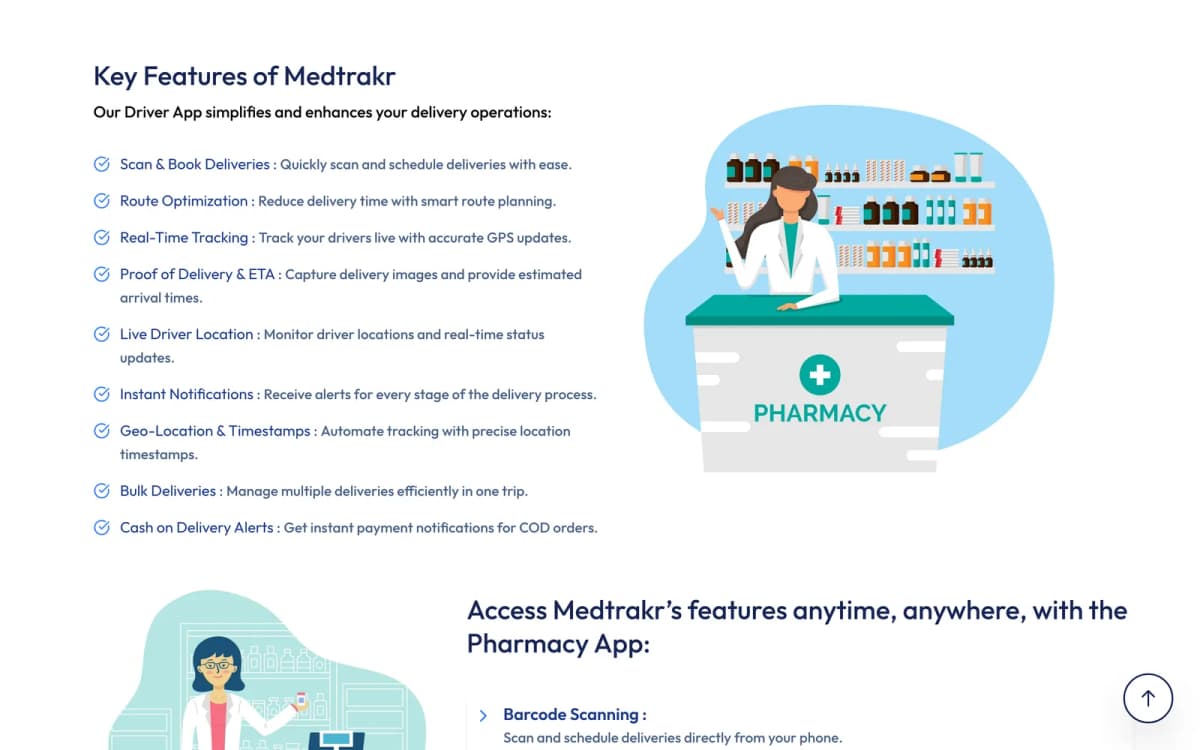
The driver scans to book each delivery, follows a planned route for several drops in one trip, and shares live GPS location. At each door the app captures a photo as proof of delivery, with a time and location stamp, and the app gives estimated arrival times. Cash-on-delivery orders raise an instant payment alert, and every stage of the delivery sends a notification.
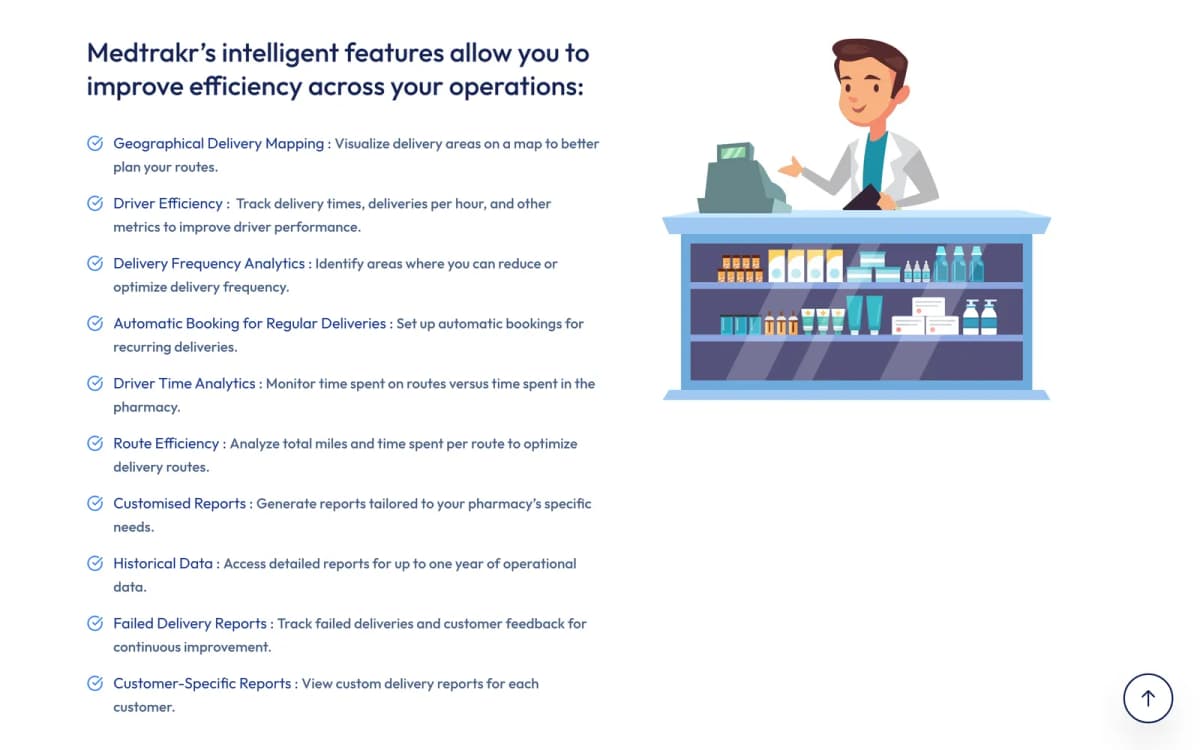
The reports answer the questions a manager actually has:
Reports cover up to a year of operational history, so a pharmacy can compare seasons rather than guess.
Request, approve and track repeat prescriptions for consenting patients from one list, with repeat cycles set up from a preloaded drug file and automatic reminders.
Patients request repeat prescriptions with their NHS login and are notified at each stage, from request to collection or delivery.
Scan and book deliveries, plan routes, share live GPS location, capture photo proof of delivery with an ETA, run several deliveries in one trip and get cash-on-delivery alerts.
Staff scan barcodes to schedule deliveries and check delivery and driver status, parcel location and orders from a phone.
Delivery-area maps, deliveries per hour, route miles and time, failed-delivery reports and per-customer reports, with up to a year of history.
Shelf codes printed from the label printer, barcode scanning that covers controlled drugs and refrigerated items, one-scan lookup of every bag for a patient, and an audit trail for each collection.
Patients book, move or cancel consultations, bookings work with the pharmacy's existing calendar, and confirmations and reminders go out by SMS and email.
Real screens · 13
Delivery areas on a map, delivery times and deliveries per hour, delivery-frequency analytics, driver time on the road against time in the pharmacy, miles and time per route, failed-delivery reports with customer feedback and a report per customer, with up to a year of history.
Bags are scanned onto shelves that follow the pharmacy's existing numbering, with shelf codes printed from the label printer. At collection one scan finds every bag for that patient, even across shelves, and the hand-over is logged in an audit trail.
Each delivery is scanned and booked, the pharmacy can see the driver's live location, and the driver captures a photo as proof of delivery with a time and location stamp. Cash-on-delivery orders raise an alert.
Yes. Patients request repeat prescriptions in the patient app using their NHS login and are notified at each stage until the prescription is ready to collect or out for delivery.
 Featured
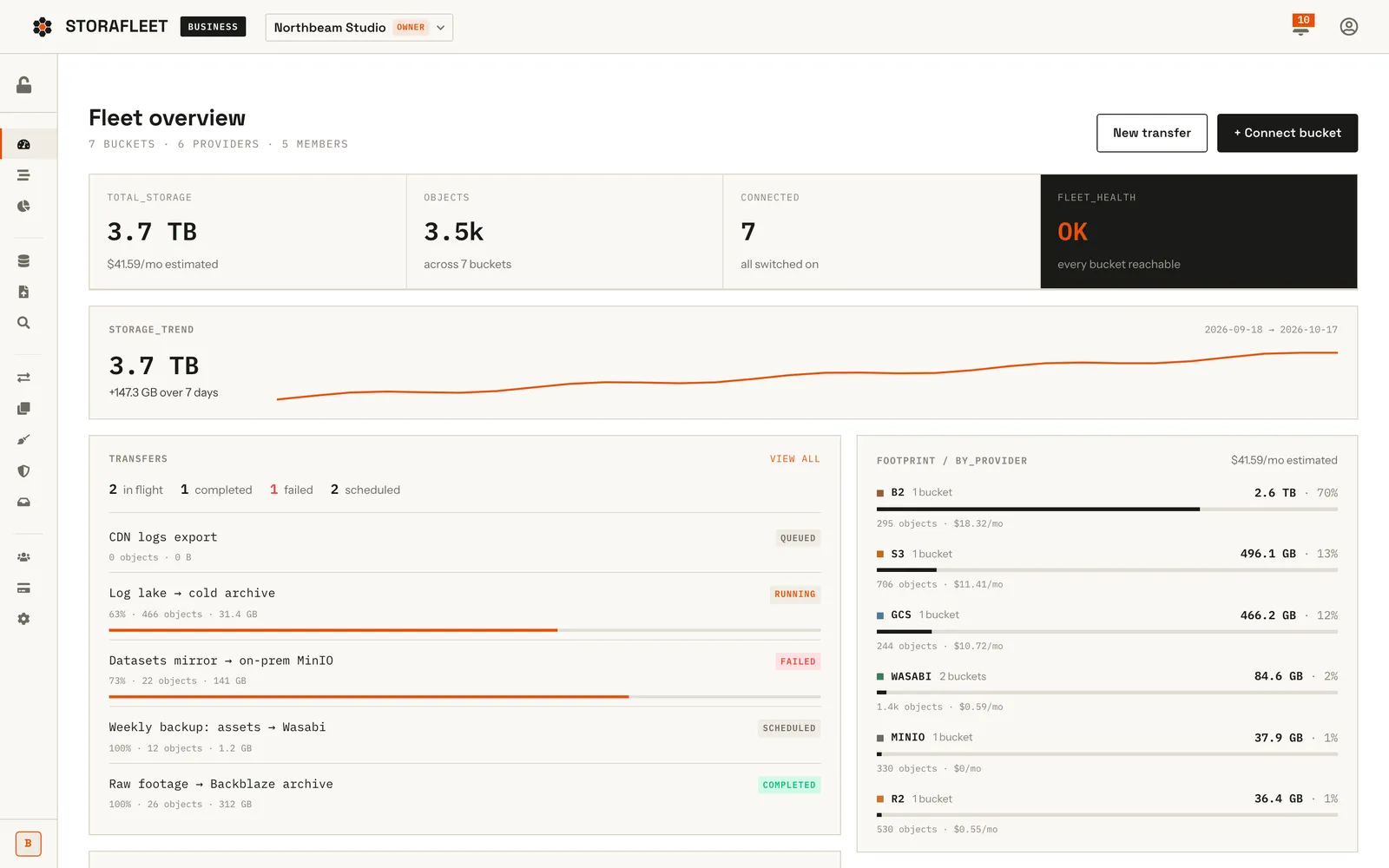
Storafleet is CountryDevs' own SaaS control plane for object storage. Teams connect buckets they already own on 50+ providers, including AWS S3, Cloudflare R2, Backblaze B2, Wasabi and MinIO, then browse, migrate, search, secure and cost-check them from one console.
 Featured
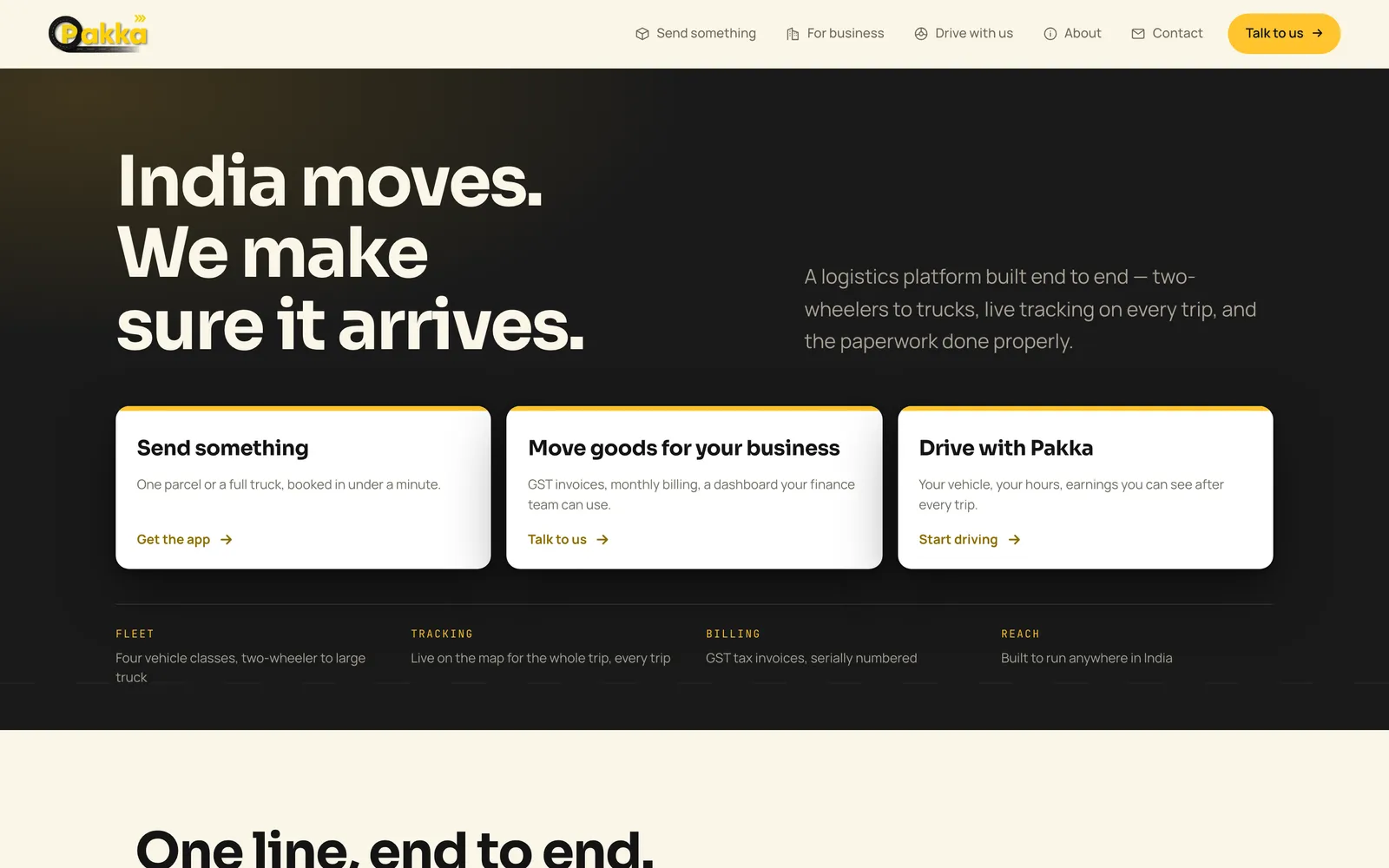
Pakka Logistics is an on-demand goods delivery platform for India. We built all of it: Android apps for customers and drivers, a business portal, an operations console and the website. The web platform is live and both Android apps are on Google Play; the two iPhone apps are in App Store review.
 Featured
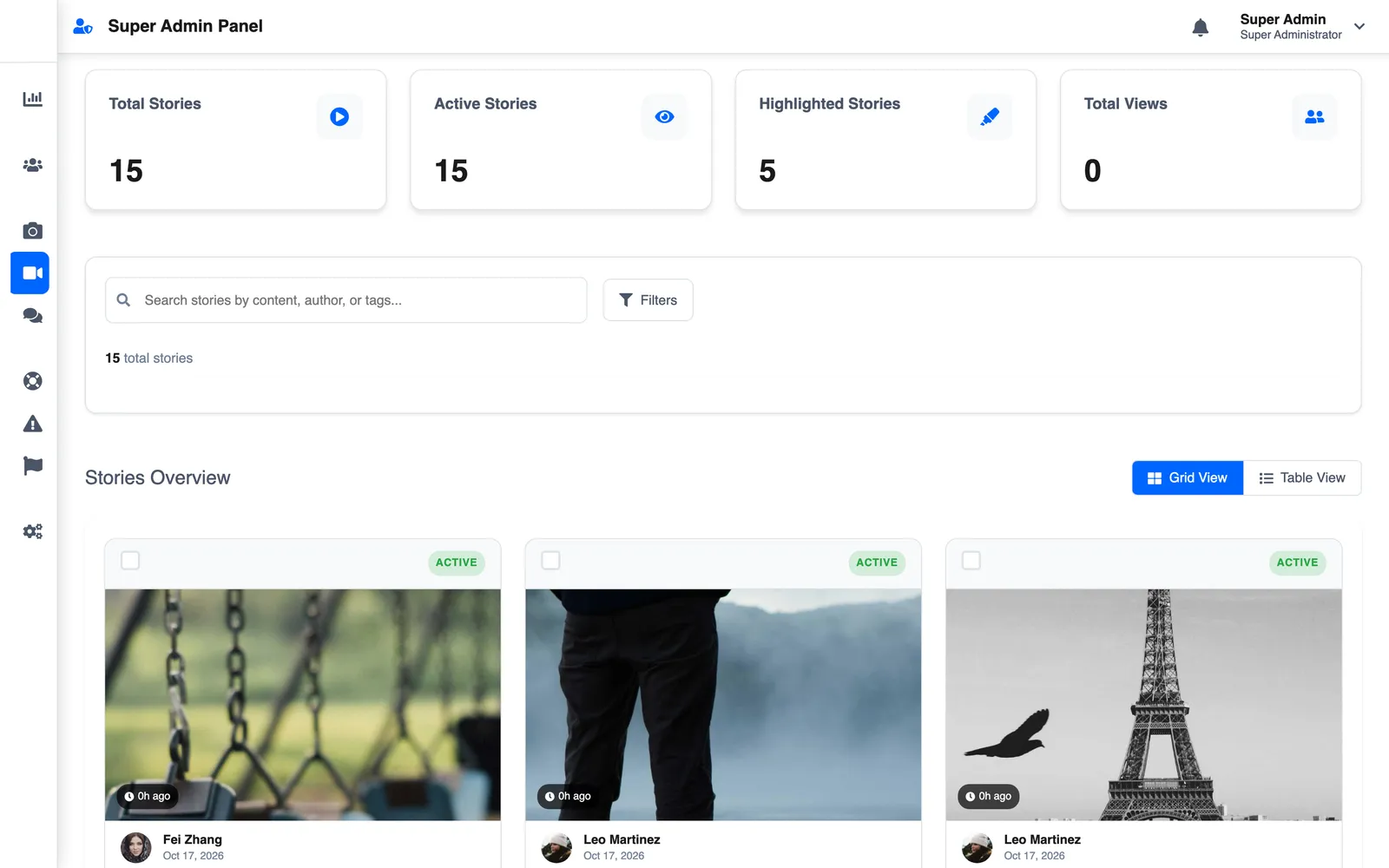
LetSlic, listed on Google Play as Slic, is a social app for photo posts, 24-hour stories and real-time chat with group moderation. We built it for Slic Solutions Private Limited: the React Native app, two Node.js APIs, the superadmin console and the website, plus Premium and ads.
Tell us what you're trying to ship and which project here is closest to it. We'll reply with the questions that shape the plan, then start with a two-week Discovery Sprint, so you see the screens and the plan before any code is written.
Not ready for a full build? Start with a Discovery Sprint, or get a code audit of an app someone else built. See how a project runs with us.
More on what we build for businesses in the UK: App Development for UK Businesses.