All projects
Saas
Discovery & proposal

ZenFlow — Discovery for a Privacy-First LinkedIn Outreach Desktop App

ZenFlow is a privacy-first LinkedIn outreach desktop app we scoped for a prospect. We researched the category, compared local and cloud architectures, and wrote a full proposal around a local-first design. This was discovery only — nothing has been built.

For ZenFlowMay 2026
  • Desktop app for macOS and Windows (proposed)
  • Cloud backend (proposed)
  • Web admin dashboard (proposed)
ZenFlow — LinkedIn outreach that runs on your own browser — Discovery & proposal by CountryDevs

Overview

A prospect asked us to build a LinkedIn outreach tool in the mould of ZenMode, a desktop app that runs campaigns through the user's own Chrome browser. Before quoting, we produced a research and feasibility pack, then a full proposal for a product we called ZenFlow.

The research covered the reference product feature by feature, four alternatives — HeyReach, Expandi, Dripify and Linked Helper — and the three ways tools in this category are built: as cloud services, as local desktop apps, or as Chrome extensions. The architecture decides the account-risk profile, so we made it the first scoping question. We recommended local execution: a desktop app that drives the user's own browser and session on their own machine, with a cloud backend for identity, billing, integrations and analytics, and a web dashboard for teams.

The proposal turned that into a scope: user roles, operational workflows, the system architecture, security and compliance, a module breakdown, a screen list and a phased plan. This is discovery work. No code or designs exist, and the prospect is not named here.

The challenge

Tools in this category face three hard problems before any feature work. LinkedIn's User Agreement prohibits unauthorised automation, so the product carries a risk for every user's account and for the company selling it. LinkedIn changes its pages often, which breaks the selectors automation relies on, so the product can never be shipped and forgotten. And AI-written messages sound generic unless the prompting is designed for it.

The prospect also had to choose between a desktop install and a browser-based service. That choice sets the risk profile and cannot be reversed later without a rebuild, so it had to be settled before anything was priced.
The solution

We recommended the local-first architecture and designed the proposal around it. An Electron app for macOS and Windows owns everything that touches LinkedIn. It drives the user's own Chrome through the DevTools Protocol with Puppeteer or Playwright, keeps campaign state in an encrypted local SQLite store, and runs a local scheduler for sequences, retries and rate limits. Credentials and session cookies never leave the machine. A Node.js, Express and MongoDB backend handles identity, Stripe subscriptions, CRM and calendar relays, and anonymised analytics, and a React dashboard handles seats, billing and white-label settings.

For messaging we specified multi-stage prompt chains: extract a specific hook, write the message, then pass it through a quality gate that rejects clichés, with per-persona tone and per-user budget controls. Account safety is part of the design rather than a setting: randomised delays, sending in the prospect's business hours, and daily and weekly caps kept well below LinkedIn's limits.

The impact

The outcome is a decision-ready pack: five research documents and a full proposal, plus 22 scoping questions for the prospect, grouped by how much each one changes the build. The hardest questions come first — desktop or web, single or multi-account, and whether voice cloning and AI personalisation belong in the first release.

Nothing has been built, and there are no designs or screenshots. What the work shows is how we scope a product in a risky category: name the risks plainly, pick the architecture that limits them, and put the irreversible decisions in front of the client before the estimate.

Features

What we built into ZenFlow

Local execution on the user's machine

Proposed: the desktop app controls the user's own Chrome and LinkedIn session from their own IP, so credentials and cookies never reach our servers.

Three-step sequences

Proposed: a sequence builder for a connection request with a note on day 0, a follow-up on day 3 and a final message on day 7, monitored live per step and per account.

AI personalisation with a quality gate

Proposed: hook extraction, message writing and a cliché-rejecting quality gate, with cached outputs and per-user cost limits.

Account-safety rules

Proposed: randomised delays, sending only in the prospect's business hours, and daily and weekly caps set well below LinkedIn's thresholds.

Unified inbox and meeting booking

Proposed: replies from every connected LinkedIn account in one inbox, AI-suggested reply variants, and a slot picker synced to the user's calendar.

CRM, calendar and webhook integrations

Proposed: HubSpot and Salesforce via OAuth, Google and Microsoft 365 calendars, a Zapier app, and outbound webhooks with HMAC-signed payloads.

Team and white-label dashboard

Proposed: a web dashboard for seat allocation, LinkedIn account inventory and licence assignment, billing history and white-label branding.

Signed, self-updating releases

Proposed: code-signed and notarised builds for macOS and Windows, with automatic updates so selector fixes reach users quickly.

Risk register and scoping questions

Delivered: a written register of terms-of-service, maintenance, LLM-cost, voice-consent and DPDP Act risks, and 22 questions the prospect must answer before a binding quote.

By the numbers
22
Scoping questions put to the prospect before quoting
5
Tools profiled in the research pack
Project details
Tech stack
Electron (proposed)Puppeteer / Playwright (proposed)SQLite (proposed)Node.js (proposed)Express (proposed)MongoDB (proposed)React (proposed)Stripe (proposed)
Timeline & team
May 2026
FAQ

Questions about this project

Why did you recommend a desktop app for the ZenFlow LinkedIn tool?

A desktop app can drive the user's own browser and LinkedIn session from their own IP, so credentials never leave their machine. A cloud service would have to run sessions on shared servers, which carries a higher risk of account restrictions and cannot be switched later without a rebuild.

What risks did the ZenFlow discovery flag before any build?

LinkedIn's User Agreement prohibits unauthorised automation; LinkedIn page changes regularly break automation selectors, so ongoing maintenance is a fixed cost; LLM spend can creep; voice cloning needs recorded consent; and Indian users bring DPDP Act obligations.

How would ZenFlow keep AI-written outreach from sounding generic?

The proposal uses a multi-stage prompt chain: pull a specific hook from the prospect's profile or activity, write the message around it, then pass it through a quality gate that rejects stock phrases, with tone and length tuned per persona.

More work

Other things we shipped

All projects
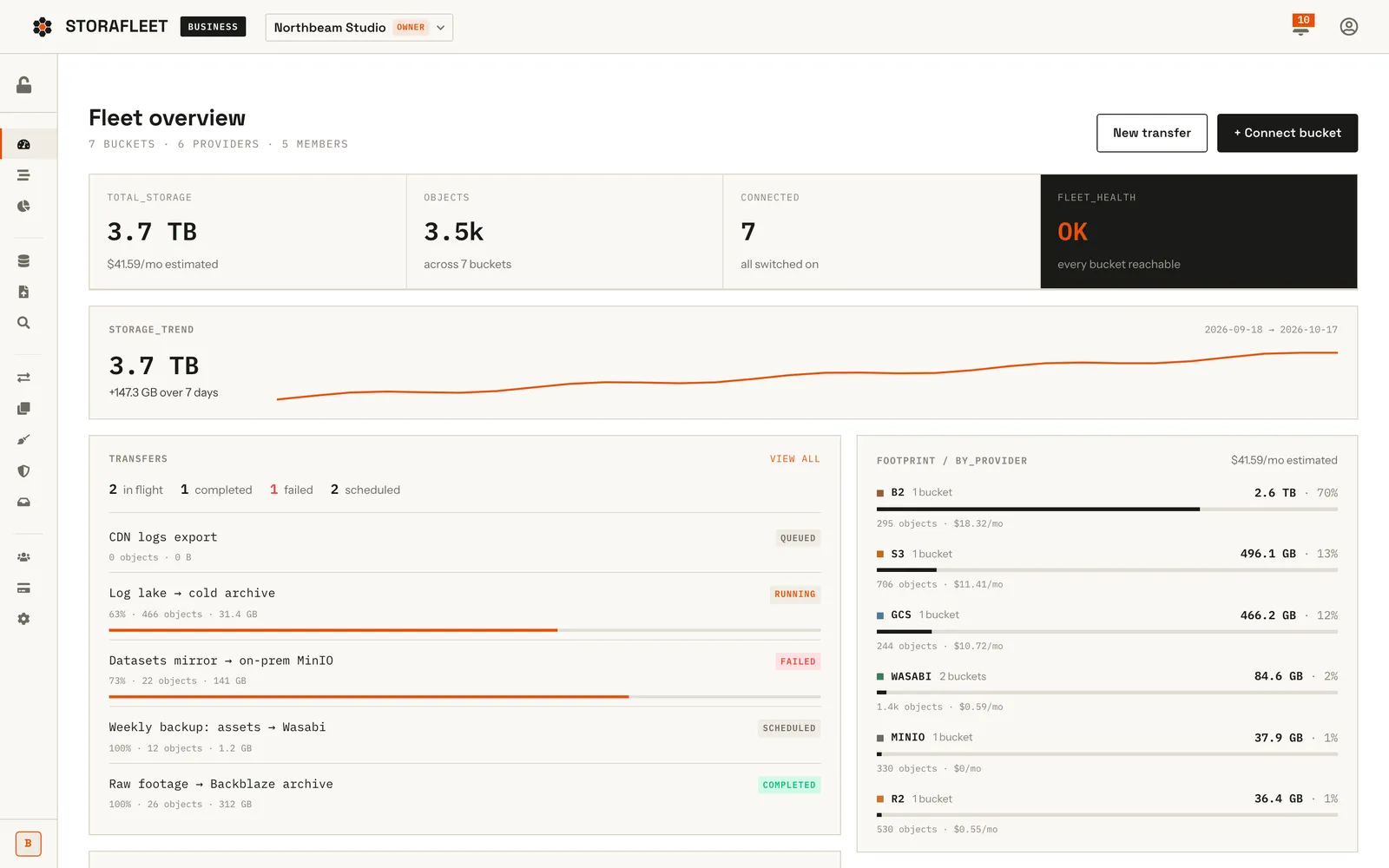
Storafleet fleet overview with storage totals, trend line, transfers list and per-provider footprint barsFeatured
Saasfor Storafleet

Storafleet — Multi-Cloud Storage Control Plane

Storafleet is CountryDevs' own SaaS control plane for object storage. Teams connect buckets they already own on 50+ providers, including AWS S3, Cloudflare R2, Backblaze B2, Wasabi and MinIO, then browse, migrate, search, secure and cost-check them from one console.

Next.js 15ReactRedux ToolkitNode.js+11
50+Storage providers in the connection roster
Case study
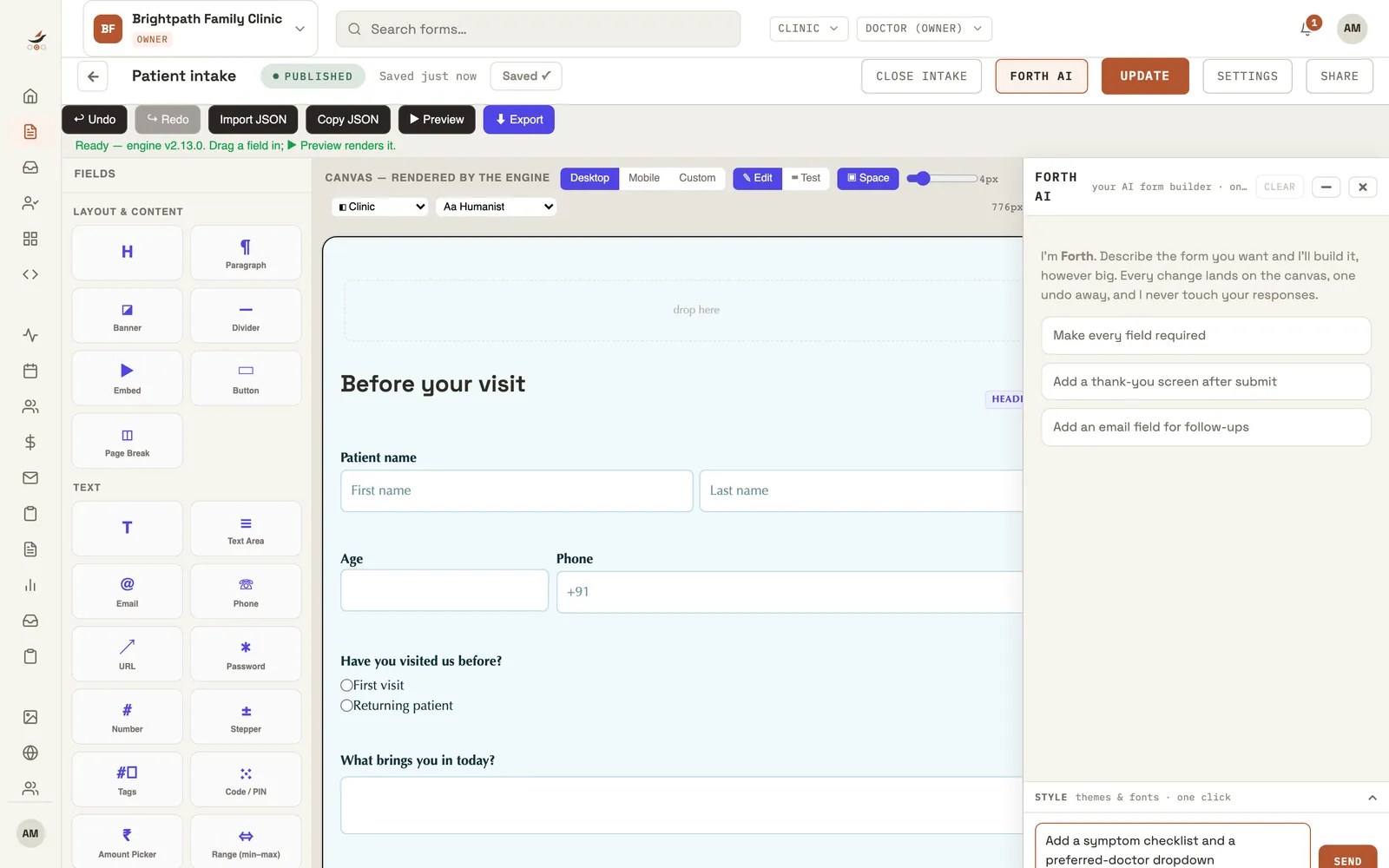
Form editor with the Forth AI drawer open on the right showing suggested prompts and a message box.FeaturedBuilt
Saasfor AskForth

AskForth — AI Form Builder SaaS

AskForth is CountryDevs' own form SaaS. People build a form by describing it to an AI, by drag-and-drop, by mixing both or from a template, and all four produce the same JSON. Forms run as hosted links or CSP-safe embeds, with 24 industry packs on top. Built, not yet launched.

JavaScript (ES modules)TypeScriptViteSortableJS+13
68Field types in the form engine
Case study
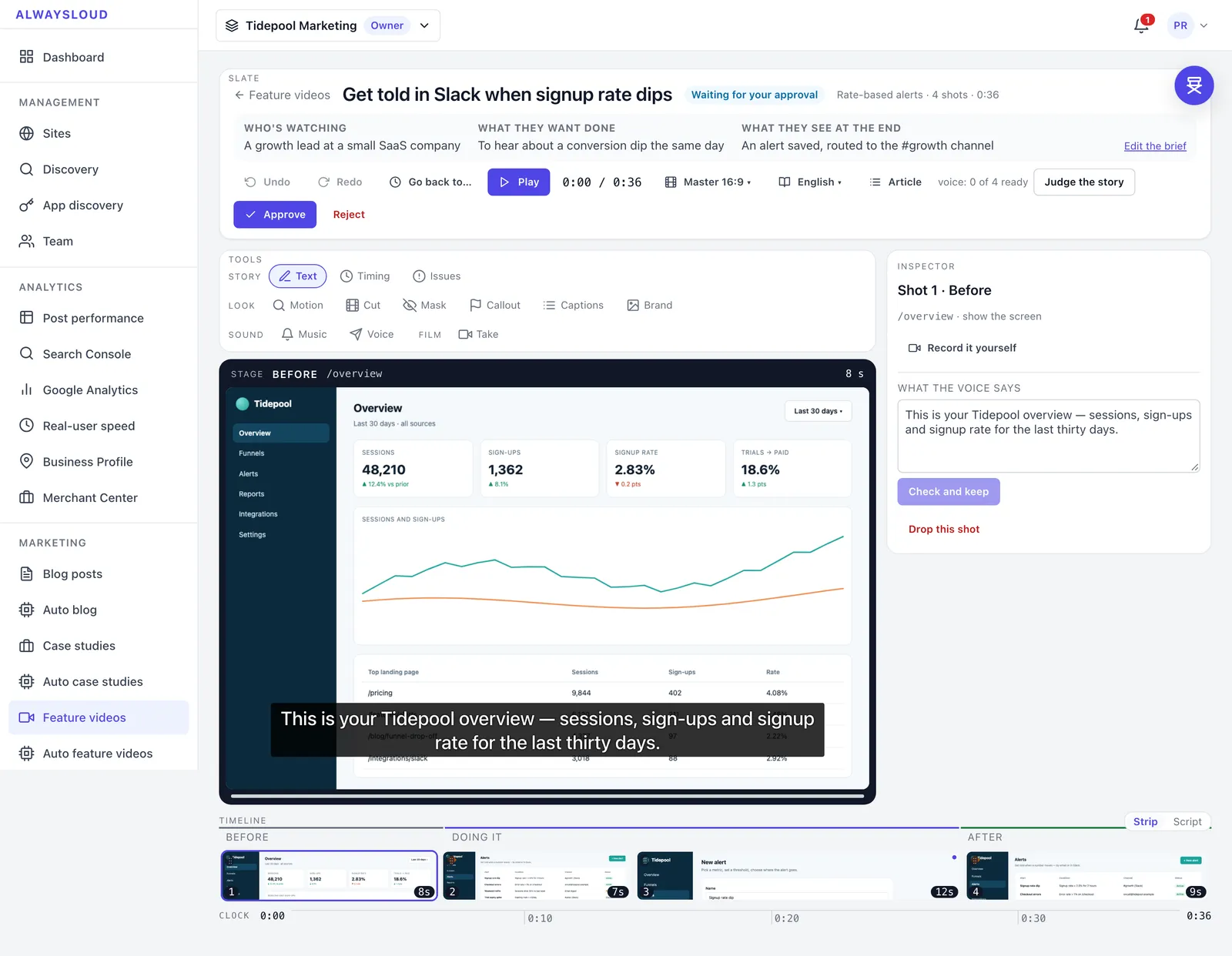
Video storyboard studio with stage, inspector and shot timelineFeaturedBuilt
Saasfor AlwaysLoud

AlwaysLoud — AI Content Marketing Platform for SaaS

AlwaysLoud is CountryDevs' own content-marketing autopilot for SaaS companies. It reads a company's site and app, then writes blog posts, case studies, social posts, newsletters and narrated feature videos, and holds any sentence about the business the company never published. Built, not launched.

Next.js 15ReactRedux ToolkitTiptap+15
701Server tests passing at the 17 October 2026 build
Case study
Got a project?

Let's build the
next one together

Tell us what you're trying to ship. We'll come back with a scope, a timeline, and a fixed price — usually within 48 hours.

Not ready for a full build? Start with a fixed-price Discovery Sprint, or get a code audit of an app someone else built.